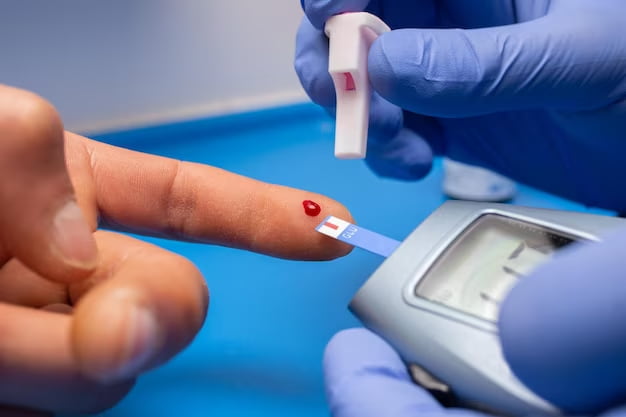
Metformin stands as a cornerstone in the realm of medications dedicated to the management of type 2 diabetes, commanding widespread usage. Garnering over 60 million prescriptions each year, this generic medication has solidified its popularity among both patients and healthcare practitioners. Beyond its ubiquity, a fundamental question arises: what mechanisms does metformin employ within the body to effectively regulate blood sugar levels? Delving into the intricacies of this diabetes drug is essential for patients seeking to harness its benefits with greater efficacy.
Metformin’s Effect on the Liver
One of the main ways that generic metformin helps regulate blood glucose levels is by decreasing glucose production in the liver. Normally, the liver releases stored glucose when blood sugar levels drop too low. This helps maintain normal blood sugar ranges. However, in diabetic patients, the liver may release too much glucose even when blood sugars are already high.
Metformin reduces excessive hepatic glucose production. It does this primarily by inhibiting gluconeogenesis, which is the process where the liver forms new glucose molecules from compounds like lactate, glycerol, and certain amino acids. With less glucose entering the bloodstream from the liver, metformin can help reduce fasting and post-meal blood sugar spikes.
Recent research has also shown that metformin may reduce glucose output from the liver by altering gut microbiome production of certain short-chain fatty acids that influence gluconeogenesis. This demonstrates that the drug’s mechanisms are not fully understood yet, with discoveries still emerging on how it regulates blood sugar balance.
Increasing Insulin Sensitivity
In addition to reducing glucose output from the liver, metformin also helps improve the body’s sensitivity to insulin. Insulin is the hormone that allows cells throughout the body to take up and utilize blood glucose for energy. In diabetes, cells become less responsive to insulin. This is known as insulin resistance.
By activating enzymes like AMPK, metformin makes cells more sensitive to insulin. This allows whatever insulin the body still produces to work more effectively. Improved insulin action means cells can take up glucose more readily. This further aids in lowering blood sugar levels.
Both insulin resistance and reduced insulin production contribute to diabetes development. The dual action of metformin addresses both defects by decreasing liver glucose output in the absence of insulin and enhancing the uptake of glucose into cells when insulin becomes available. By targeting both factors, metformin produces robust improvements in blood sugar control.
Other Beneficial Effects
Beyond its primary mechanisms of action, some research indicates metformin may have additional beneficial effects in diabetic patients. For example, studies show the drug may help with weight loss and cholesterol control – two important factors for diabetes management.
There is also evidence that metformin could play a protective role in diabetes complications. By keeping glucose levels within healthier ranges, the medication may help prevent or delay damage to the small blood vessels affected by chronically high sugars. This could potentially reduce the risk of problems like diabetic neuropathy, retinopathy, or cardiovascular damage.
Some scientists believe these extra benefits stem from metformin activating AMPK enzymes throughout the body. These proteins regulate cell metabolism and energy balance similar to insulin. By boosting AMPK activity, metformin produces positive impacts across many biological systems and organs beyond just blood sugar effects.
Understanding Proper Usage
While extremely helpful for controlling blood sugar, metformin does come with some potential side effects. The most common of these include digestive upsets like nausea, vomiting, diarrhoea and abdominal pain. To help minimize adverse effects, doctors recommend starting with low doses and taking the medication with food.
Extended-release tablet forms of generic metformin can also make the drug easier to tolerate. These tablets have a special coating allowing gradual absorption over hours rather than hitting the system all at once. This avoids sudden spikes in metformin levels that provoke stomach irritation.
As helpful as metformin can be, it does not replace other key pillars of diabetes care like nutrition therapy, exercise, and weight control. Lifestyle approaches combined with careful medication management offer the best results for gaining control over erratic blood sugars. Monitoring levels frequently with a glucometer allows patients to see how significantly small daily changes can impact their glucose trends.
Common Side Effects
In addition to gastrointestinal issues, there are some other potential side effects to be aware of with metformin use:
Lactic acidosis – The buildup of lactic acid in the blood is a rare but serious complication, mainly occurring in patients with kidney impairment. Symptoms include muscle pains, breathing difficulty, dizziness, and abdominal pain.
Vitamin B12 deficiency – Long-term use of metformin may result in vitamin B12 malabsorption, resulting in a deficiency if not properly supplemented. Symptoms can include anaemia, fatigue, constipation, appetite loss, and neuropathy.
Hypoglycemia – Although much less common than with other diabetes medicines, metformin may still increase hypoglycemia risk when combined with other drugs, alcohol use, skipped meals, or during intense exercise.
Being aware of potential adverse reactions allows for prompt reporting to your healthcare provider should any occur. Dose adjustments or additional nutritional supplementation may alleviate some side effects.
When Metformin Isn’t Enough
For some diabetic patients, metformin alone isn’t sufficient for achieving adequate blood sugar control. Over time the remaining insulin-producing beta cells in the pancreas can decline enough that metformin’s help improving insulin sensitivity isn’t impactful. In these cases, additional oral medications or injectable therapies like GLP1 drugs or insulin become necessary.
The American Diabetes Association recommends supplementing metformin with drugs like sulfonylureas, SGLT2 inhibitors, DPP4 inhibitors or thiazolidinediones if needed. Combination therapy leverages different mechanisms for reducing glucose levels. This allows patients to achieve tighter overall blood sugar management.
Conclusion: A Mainstay Medication for Diabetes Care
In conclusion, metformin is an invaluable medication for managing type 2 diabetes because it directly targets several physiological factors that influence blood glucose balance. From reducing hepatic glucose production to improving peripheral insulin sensitivity, metformin tackles erratic blood sugars on multiple fronts simultaneously.
While the drug does have some potential for side effects like digestive issues, proper dosage adjustments and the use of extended-release forms can often overcome these problems. When combined with lifestyle approaches emphasizing nutrition, activity levels, weight control, and frequent self-monitoring, metformin offers excellent blood sugar regulation pivotal for minimizing diabetes complications long-term. Understanding exactly how this staple medication exerts its helpful effects empowers patients to use it most effectively as part of a comprehensive diabetes treatment regimen.
Did you find this helpful? Check out our other helpful articles on our website.
Read Also
- Where to Find Reliable Mental Health Support for Teens
 Have you noticed changes in your teen’s mood, sleep, or behavior that leave you worried? Growing up can bring stress from school, friends, family, and new demands. Some teens may struggle to share their feelings or ask for help, even when they need support. Finding the right mental health support for teens can help them… Read more: Where to Find Reliable Mental Health Support for Teens
 - Top Trends Shaping the Future of Mental Health CareMental health care is moving fast to meet daily human needs. People want direct care that fits modern life. Clinics respond by creating flexible options that make healing easier to reach. Providers look past rigid habits to give people solid care. From smart tools to body wellness, these changes help people find relief when life… Read more: Top Trends Shaping the Future of Mental Health Care
- Full-Arch Dental Tourism: Why UK Patients With Severe Bone Loss Are Looking AbroadDental implants have become one of the fastest-growing segments of private dentistry. Within that market, one patient group behaves very differently from the rest: people who have been told they do not have enough upper jawbone for conventional implants. For these patients, the choice is rarely between one clinic and another. It is between a… Read more: Full-Arch Dental Tourism: Why UK Patients With Severe Bone Loss Are Looking Abroad
- Levels of Mental Health Care and When to Seek SupportMental health care can range from occasional outpatient appointments to 24-hour hospital treatment. The appropriate level depends on safety, symptom severity, daily functioning, medical needs, available support, treatment history and personal preferences. A licensed clinician should assess these factors rather than relying on a symptom list alone. Need help now? In the United States, call… Read more: Levels of Mental Health Care and When to Seek Support
- How to Choose a Shilajit Brand Based on the ResearchIn a randomized trial published in the Journal of the International Society of Sports Nutrition in 2019, 63 active men took 250 mg of standardized shilajit, 500 mg, or a placebo every day for eight weeks, and the benefit for strength retention after a fatiguing workout appeared only at 500 mg. For anyone choosing a… Read more: How to Choose a Shilajit Brand Based on the Research
- How to Incorporate Relaxation into Your Busy ScheduleFinding balance when you have a packed daily agenda often feels out of reach. Between work duties, family obligations, and personal projects, personal rest usually gets pushed to the bottom of the list. Small, intentional shifts in daily habits can help restore calm without requiring hours of extra free time. Continue reading to discover everything… Read more: How to Incorporate Relaxation into Your Busy Schedule
- Red Light Therapy for Skin and Wellness: Meet Vital Red Light TherapyModern wellness is not always about complicated treatments or long routines. Many people are now looking for simple, convenient ways to support their skin, recovery, and overall wellness at home. One technology getting more attention is red light therapy. Red light therapy uses specific wavelengths of red and near-infrared light to support the body’s natural… Read more: Red Light Therapy for Skin and Wellness: Meet Vital Red Light Therapy
- Managing Shock Loss After a Hair Transplant: The Financial and Clinical Imperative of Post-Op CareIn the rapidly evolving landscape of private healthcare, executive leadership within cosmetic and restorative surgery clinics faces a dual challenge: maintaining strict clinical standards while maximizing patient lifetime value (LTV) and brand advocacy. As the global medical tourism and elective procedure markets expand, clinical outcome quality alone is no longer the sole differentiator for premium… Read more: Managing Shock Loss After a Hair Transplant: The Financial and Clinical Imperative of Post-Op Care